
Categories
Selling Your HomePublished September 15, 2026
Selling a Rental Property in Western Washington

What to Do Before You List
A rental property can be a good investment for years and still need a very different strategy when it is time to sell.
Once a property moves from the rental market to the resale market, the audience changes. Tenants are primarily evaluating whether a home works for their needs at a certain monthly rent. Buyers are deciding whether they want to own it, maintain it and invest a significant amount of money in it for years to come.
That shift changes how I look at the property.
Before putting a former rental on the market, I want to understand what condition it is really in after its years as a rental, what a buyer is likely to notice, what needs to be addressed, and which improvements would actually strengthen the sale. The goal isn't to renovate every imperfect feature. It's to prepare the property so buyers can see its value without unnecessary distractions getting in the way.
Start With the Property You Have Today
Owners who have held a rental for several years often know the property differently than a homeowner who lives there every day.
You may know when the roof was replaced, what the tenant pays and which appliances you've repaired. You may not have noticed the worn paint near the entry, dated light fixture, tired landscaping or accumulation of small maintenance issues because you've been managing the home as an investment rather than experiencing it as a buyer would.
That's why I prefer to begin with a walkthrough before making a list of improvements.
I'm looking at the condition of the home, but I'm also looking at it in relation to its likely buyer and competition. A property doesn't need to be the newest or most extensively remodeled home in the neighborhood. It does need to make sense at the price where we intend to position it.
This is where sellers can save themselves from spending money in the wrong places.
Maintenance and Cosmetic Improvements Are Different Decisions
When preparing a former rental for sale, I separate necessary maintenance from cosmetic improvement.
A loose handrail, damaged flooring, leaking faucet or obvious exterior maintenance issue raises a different question than an older countertop that is clean and functional.
With maintenance, I'm thinking about whether an issue could concern a buyer, affect financing, become part of an inspection negotiation or simply create the impression that the property hasn't been well cared for. Even when a seller decides not to complete a significant repair, knowing the likely cost can be useful when evaluating pricing and future negotiations. The National Association of REALTORS® similarly advises sellers to understand the cost of major repairs even when they don't intend to complete them before listing.
Cosmetic improvements require more judgment.
New flooring, paint, hardware or fixtures can sometimes change the way buyers experience a home. Other projects may cost thousands of dollars without meaningfully changing what buyers are willing to pay.
I don't recommend improvements simply because they would make the house newer. I want to know whether the work will improve how the property competes.
Don't Renovate a Rental Into Your Own Dream Home
This is where I see owners risk overspending.
After years of renting a property, it can be tempting to finally replace everything you never loved about it. The kitchen feels dated. The bathroom isn't your taste. The flooring isn't what you would choose today.
But you're no longer improving the home for yourself.
Before recommending a significant renovation, I want to know what comparable properties offer and what buyers at that price point are likely to expect. If competing homes have renovated kitchens and the subject property is noticeably behind them, an update may deserve consideration. If comparable homes are selling successfully with similar finishes, spending heavily to create a designer kitchen may accomplish very little.
Sometimes the smarter investment is fresh paint, professional cleaning, a few repairs and better presentation.
That money should have a job.
A Former Rental Needs to Feel Like a Home Again
One of the most important parts of this transition is presentation.
Rental properties can become visually utilitarian over time. Rooms are functional. Landscaping is maintained enough to satisfy the lease. Paint choices are practical. Once tenants move out, the house can also feel surprisingly empty.
That may be perfectly acceptable for an investment property. It isn't necessarily the strongest way to introduce the home to a buyer.
This is where staging can become useful.
Staging isn't about disguising a property's condition or filling every room with furniture. It can establish scale, define how an awkward space might be used and help buyers understand how the rooms relate to everyday life.
There is research behind that. In the National Association of REALTORS®' 2025 Profile of Home Staging, 83% of buyers' agents said staging made it easier for buyers to visualize a property as their future home. Sellers' agents most commonly recommended decluttering, whole-home cleaning and improving curb appeal when preparing properties for market.
Those aren't necessarily expensive improvements. They are presentation decisions.
The Photos Have to Work Before the Showing Does
Most buyers will encounter the property online before they ever walk through the door.
That changes the order in which preparation needs to happen.
Cleaning, landscaping, repairs and staging should ideally be completed before professional photography rather than continuing after the listing goes live. NAR's seller guidance specifically notes that cleaning, decluttering and curb appeal can improve a home's appearance in listing photos, which play an important role in attracting potential buyers.
I consider the photography date an important deadline in the listing process.
By then, I want the property to look like the home we're asking buyers to purchase.
Launching first and improving the listing later sacrifices the attention that comes when a property initially reaches the market.
A Recent Redal Homes Sale Shows Why the Transition Matters
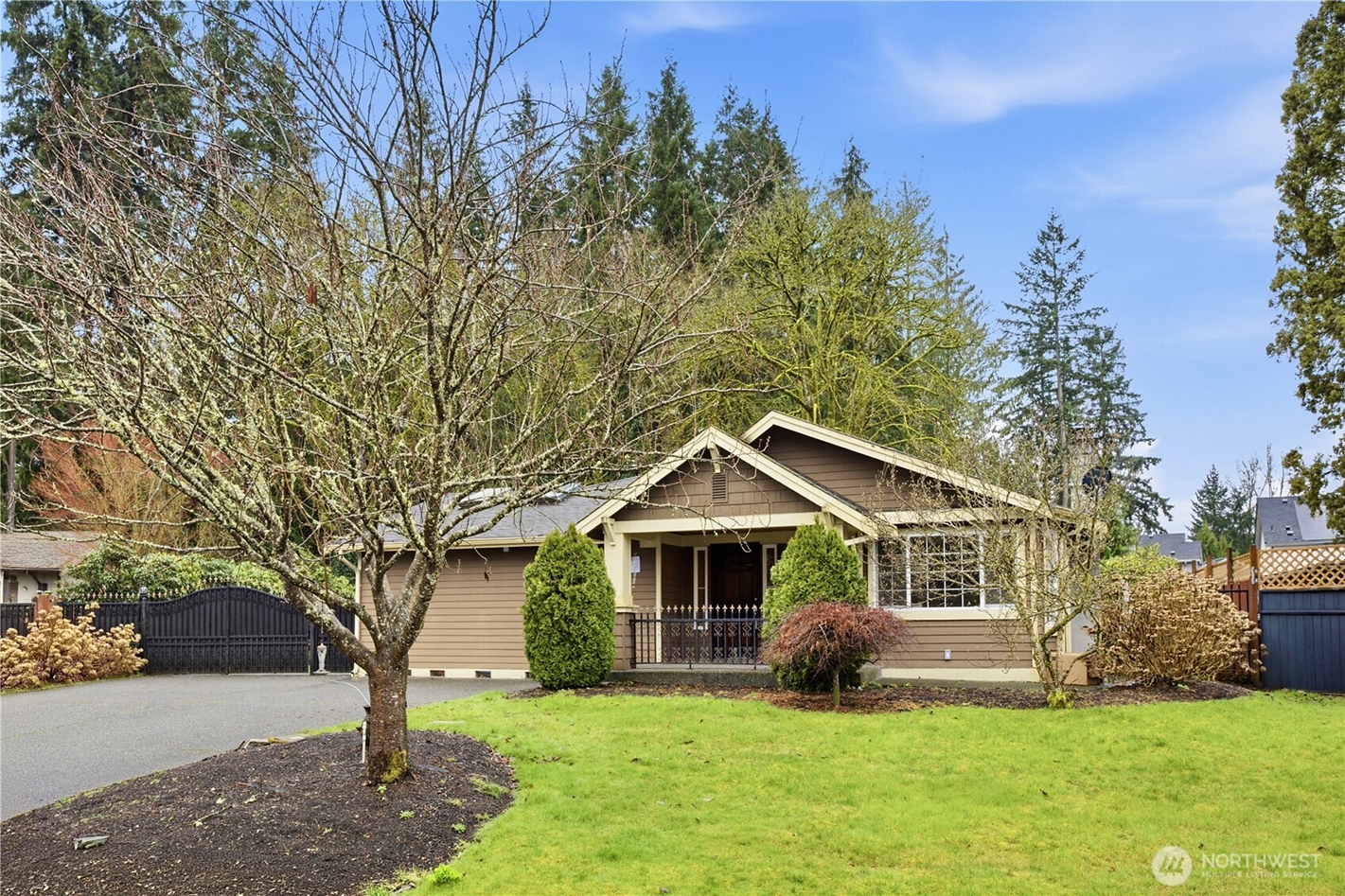
I recently worked with sellers who needed to transition a property from a rental into a home ready for the resale market.
There were multiple pieces to coordinate. The property needed to be prepared after its rental use, issues needed to be addressed, and the home needed to be staged and positioned for buyers.
We handled those details before and during the transition to market rather than treating them as separate problems for the sellers to manage on their own.
Once the home was listed, it went under contract in 48 hours.
Heather Redal is simply outstanding. She got our home under contract in just 48 hours, and the results speak for themselves. Heather staged our home beautifully, managed every detail with precision, and proactively mitigated issues during the transition from a rental to preparing it for sale—without missing a beat. Her knowledge of the market is next level, and it’s clear she knows exactly how to position a property to maximize value. She consistently went above and beyond, delivered exceptional customer service, and made the entire process feel seamless and stress-free. We are completely satisfied and would recommend Heather without hesitation to anyone looking to get top dollar for their property. ~Justin B
I don't share that result because every properly prepared property will sell in two days. Real estate doesn't work that way. Location, condition, price, competition and current buyer demand all influence the outcome.
What the sale does illustrate is the value of having the preparation, presentation, pricing and marketing working together when the listing becomes available.
The seller's review afterward highlighted the staging and the way potential issues were proactively managed during the property's transition from rental to sale. That is exactly the work I believe should happen before we start asking buyers to pay attention.
There Is Also a Financial Side to Selling a Rental
Preparing the physical property is only part of the planning.
If the home has been used as a rental, I also encourage owners to speak with their CPA or tax professional early in the process.
The tax treatment of a rental sale can be different from selling a primary residence. The IRS explains that depreciation reduces the property's basis for determining gain or loss when it is eventually sold, and the sale of rental property can involve depreciation-related tax consequences.
Some investment-property owners may also want to discuss whether a Section 1031 like-kind exchange fits their plans. A qualifying exchange can defer recognition of gain when investment real estate is exchanged for other qualifying real property, but there are specific rules and timing requirements.
Those are tax decisions, not decisions I make for my clients. My role is to recognize when the way a property has been used creates questions that should be answered by the appropriate professional before we structure the sale.
Ideally, that conversation happens before the property closes—or even before it is listed—not after the seller discovers there was something they should have considered.
What About Tenants?
If the property is still occupied, the timeline requires another layer of planning.
A seller needs to understand the existing lease, the tenant's rights, required notices and how occupancy affects access, preparation, photography and showings. Those details can also affect which buyers the property is most likely to attract.
A property being sold with a tenant in place may appeal to an investor. An owner who wants to reposition the property for an owner-occupant may be working toward a different timeline.
Washington landlord-tenant requirements are legal matters, so I recommend that owners obtain appropriate legal guidance when questions arise about leases, notices or possession.
From the real estate side, the important point is that the occupancy plan and the sales plan need to agree with each other.
Pricing Comes After We Understand the Property
A former rental shouldn't automatically be priced lower because it was rented, nor should the owner expect every dollar spent preparing it to be added to the sale price.
The market doesn't calculate value that way.
I look at what buyers can purchase instead.
If someone has a certain budget and is searching in Gig Harbor, Tacoma, Pierce County, Kitsap County or another Western Washington market, what homes will appear alongside this one? How does our property compare in condition, location, lot, updates and presentation? What will buyers notice when they move from one listing to the next?
Those are more useful pricing questions than asking how much the owner has invested in the property.
The work we complete before listing should help the home compete within that reality.
My Pre-Listing Priorities for a Former Rental
Every property is different, but my process usually comes back to a few questions:
What needs attention?
Identify deferred maintenance, visible damage and issues likely to matter during a buyer's evaluation.
What is worth improving?
Separate projects that strengthen marketability from projects the seller simply wishes had been done years ago.
How should the home be presented?
Determine the appropriate cleaning, landscaping, staging and photography strategy for the property and likely buyer.
Who are we competing against?
Evaluate current listings and recent comparable sales at the price point buyers will actually be considering.
Are there financial or legal questions to resolve?
Give the owner time to consult tax, legal or other professionals when the property's rental history creates issues outside the scope of real estate representation.
When is the property genuinely ready to launch?
Bring the home to market when the preparation and marketing are ready to support the price—not simply because the tenant has moved out.
Selling a Rental Property in Western Washington
The transition from landlord to seller deserves its own strategy.
You've spent years evaluating the property as an investment. When it's time to sell, I help you look at it through the eyes of the next buyer.
That may mean repairs. It may mean staging. It may mean doing considerably less than you expected. The right answer depends on the condition of the property, the market around it and what we're trying to accomplish with the sale.
If you own a rental property in Gig Harbor, Tacoma, Pierce County, Kitsap County or elsewhere in Western Washington and are considering selling, contact Heather Redal and Redal Homes before you begin making improvements. We can walk the property together, identify what deserves attention and build the listing strategy from there.

Heather Redal
| Heather Redal | Best Choice Realty
or another way