

Categories
Market Insights, Selling Your HomePublished October 6, 2026
What to Do When Your Home Isn’t Selling

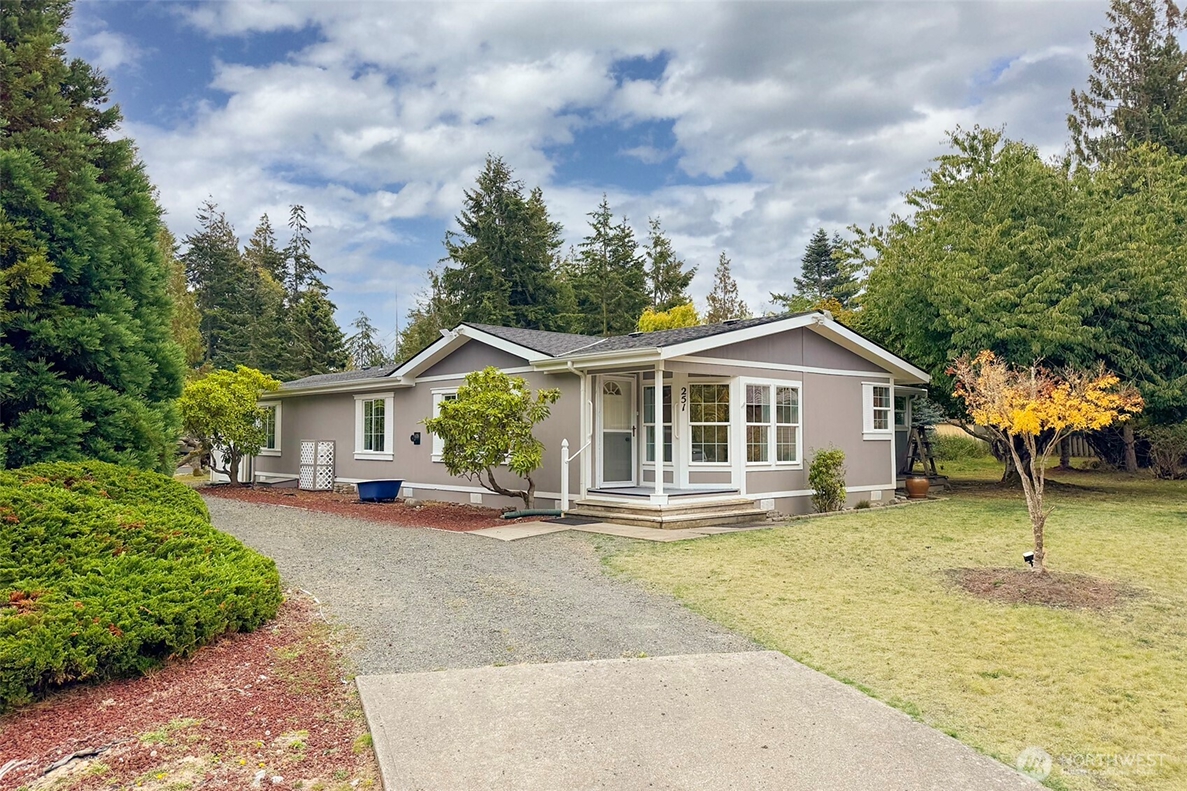
When a home has been on the market longer than expected, the first reaction is often to lower the price.
Sometimes that is exactly what needs to happen. Sometimes it isn’t.
Before I recommend changing the price, I want to understand what buyers have already told us through their behavior. Are they finding the listing? Are they scheduling showings? What are they saying afterward? Are similar homes going pending while ours remains available? Has new competition entered the market? Has anything changed since we established the original listing strategy?
Those questions tell me much more than days on market alone.
I have represented sellers through very different Western Washington markets. Some homes have generated immediate activity. Others have required us to make adjustments as the market changed. The important part is recognizing what the response means and making the next decision based on evidence rather than frustration.
The First Few Weeks Give Us Information
Before a home is listed, we make decisions based on what we know at that point: recent comparable sales, current competition, the property's condition, its location and what buyers have been doing in that segment of the market.
Once the home is active, we begin getting another kind of information.
We see whether buyers are clicking on the listing, scheduling appointments, returning for second showings or submitting offers. We hear questions and objections. We can see what happens to the competing properties buyers are considering alongside yours.
That doesn't mean a seller should react to every showing or comment. Individual buyers have individual preferences. I am looking for patterns.
If several buyers independently raise the same concern, I pay attention.
If buyers are consistently choosing another home at a similar price, I want to know why.
If we're getting strong traffic but no offers, that tells me something different from getting very little showing activity at all.
The market is giving us information. My job is to interpret it.
If Buyers Aren’t Scheduling Showings
A lack of showing activity deserves attention because buyers can't make an offer on a home they never decide to see.
I start by looking at the fundamentals.
Is the property appearing where buyers are searching? Does the photography represent it well? Does the listing give buyers enough information to understand the home? Are there showing restrictions making access difficult? How does the home appear next to the other listings at the same price?
And then we look at price.
Buyers search within ranges. If a home appears alongside properties that offer noticeably more space, better condition, a preferred location or features buyers value, the problem may be that we have positioned it in the wrong competitive set.
That is a different conversation from simply saying, "We've been listed for two weeks, so let's reduce the price."
If Buyers Are Looking but Not Making Offers
Plenty of showings with no offers is a different signal.
The listing has done enough to get buyers through the door. Something is changing once they experience the property in person.
This is where showing feedback can become useful, particularly when the same issue comes up repeatedly.
Maybe buyers like the location but believe the home needs more updating than they expected from the photos. Perhaps the layout works for a narrower group of buyers. Condition may be creating concerns. There could be another listing nearby that buyers perceive as a better value.
Sometimes the answer is price. Sometimes we can address a presentation or condition issue instead.
The important thing is to understand the objection before deciding how to respond to it.
Watch What the Competition Is Doing
A home's competition is not fixed on the day it is listed.
New properties come on the market. Other sellers reduce their prices. Homes go pending. Deals fall apart and return to active status. Inventory can increase or decrease.
That changes the choices available to buyers.
Suppose we listed at a price that was well supported when we went active. Two weeks later, several comparable homes enter the market and one of the closest competitors reduces its price. Buyers now see your property in a different context even though nothing about your house has changed.
That is why I continue watching the market after the sign goes in the yard.
Pricing is not a decision we make once and then stop evaluating.
A Price Reduction Should Have a Purpose
If I recommend changing the price, I want to be able to explain what we are trying to accomplish.
A small reduction that leaves the property competing against exactly the same homes may accomplish very little.
A more meaningful adjustment may place the home in front of buyers searching within a different price range or change how it compares with nearby inventory.
This is also why I pay attention to common search thresholds when establishing a listing price in the first place. I recently listed a home at $499,900 in part because buyers searching up to $500,000 were an important audience for that property. It generated multiple offers and went under contract in three days, ultimately accepting an offer $15,000 above asking.
That outcome isn't a formula and it certainly isn't a guarantee. The lesson is that pricing affects who sees the property and what they compare it against.
The same reasoning should apply if we need to reposition a listing after it has been on the market.
Sometimes the House Needs an Adjustment, Not the Price
Before reducing a price, I also want to ask whether there is something about the property we can reasonably improve.
Maybe the landscaping has slipped since the listing photos were taken. A room may need to be restaged. A maintenance item buyers keep noticing could be worth correcting. If the home is vacant, we may need to look at whether its presentation is helping buyers understand the space.
I don't recommend throwing money at a listing simply because it hasn't sold.
We compare the cost of addressing the issue with the potential benefit. A relatively inexpensive correction that removes a repeated buyer objection may make sense. A large renovation after the home is already listed usually deserves much more scrutiny.
This is one reason I prefer having the preparation conversation before we list. It is easier to make thoughtful decisions before buyers begin forming opinions about the property.
An Offer Is Market Information Too
Sellers understandably focus on the number at the top of an offer, but an offer tells us more than what one buyer is willing to pay.
The financing, contingencies, requested concessions, closing timeline and other terms all provide information about what that buyer needs to complete the purchase.
If an offer comes in below asking, I don't automatically view it as a rejection of our strategy. We look at the entire offer, recent market activity and whether there is room to negotiate terms that make sense for the seller.
The same applies if we receive multiple offers. The highest price is not automatically the strongest transaction if the terms introduce significantly more risk.
Getting a home under contract is one step. Getting it successfully to closing matters too.
Days on Market Need Context
Sellers often become concerned when they see the days-on-market number increasing.
It is worth watching, but the number needs context.
How quickly are comparable homes selling right now? Is your home's price range moving differently from another segment of the local market? Is inventory increasing? Are buyers taking longer to make decisions? Have mortgage rates or seasonal conditions affected activity?
A home that has been listed for 20 days in a market where comparable properties typically sell in a week deserves a different conversation than a home at 20 days when similar properties are taking a month or longer.
National headlines cannot answer that question for your property.
We need to look at what buyers are doing in the part of Western Washington where you are actually selling.
The Original Strategy Isn't Something We Have to Defend
This may be the most important point.
Once a home is listed, my job isn't to prove that every decision we made before going active was correct.
My job is to sell the property under terms that work for my client.
We make the strongest decisions we can with the information available before listing. Then the market gives us new information. If that information tells us something needs to change, I would rather respond thoughtfully than stay committed to a strategy simply because it was the original plan.
I have had clients work with me in very fast markets and return years later to sell under completely different conditions. The strategy has to change because the market changed.
Experience isn't doing the same thing every time. It is knowing what to watch and recognizing when the information calls for a different decision.
What I Review Before Recommending a Change
When a Western Washington listing isn't producing the response we expected, I look at the whole picture: online interest, showing activity, buyer and agent feedback, competing inventory, recent pending and closed sales, property condition, presentation, pricing and any changes in the market since we listed.
Then we can determine what the evidence supports.
We may keep the strategy exactly where it is. We may improve something about the property's presentation. We may change the price. We may adjust how we're positioning or marketing the home.
What I don't want a seller doing is making changes simply because the listing has reached an arbitrary number of days on market.
If you're selling a home in Gig Harbor, Tacoma, Pierce County, Kitsap County or the surrounding Western Washington area and your current listing isn't getting the response you expected, I can help you look at what the market is actually telling you.
Contact Heather Redal and Redal Homes to discuss your property and the next step in your selling strategy.

Heather Redal
| Heather Redal | Best Choice Realty
or another way