Categories
Selling Your HomePublished September 29, 2026
Selling Your Washington Home From Out of State

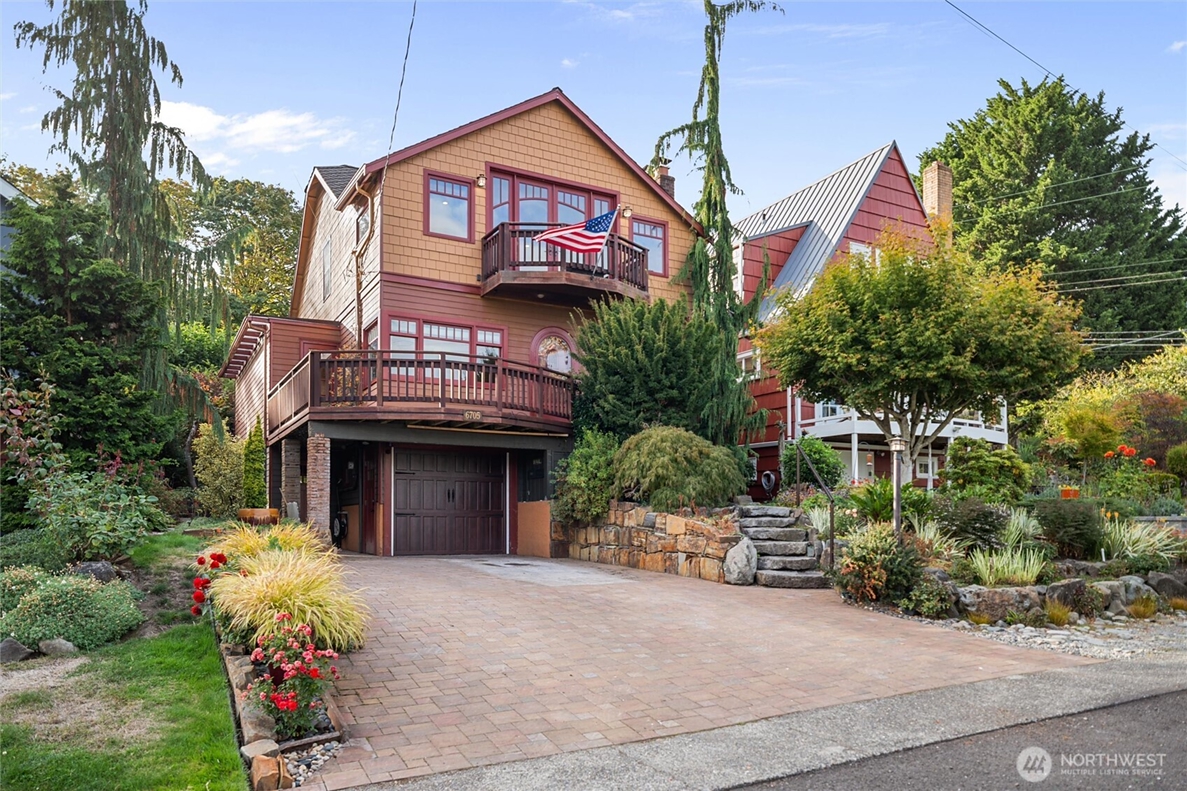
Moving away before your home sells can feel like a complication you should avoid. Sometimes it is simply the reality of the move.
Military orders come through. A new job starts in another state. A family needs to relocate before the house is ready. An investment property is already being managed from a distance. By the time a homeowner decides to sell, they may be hundreds or thousands of miles from the property.
I have worked with sellers in exactly this situation, and the distance itself is usually manageable. The important question is what still needs to happen locally after you leave—and who is going to handle it.
One of my past clients had already moved a couple thousand miles away when it was time to sell the home I had originally helped him purchase. He later shared that he never needed to fly back to handle the sale.
That didn't mean there was nothing to do. It meant we had a plan for doing it without requiring him to be here.
Start With the House, Not the Distance
When I first talk with an out-of-state seller, I want to understand the same things I would if the owner were standing in the house with me.
What condition is the property in now? What needs attention before we photograph it? How does it compare with the homes buyers will see at the same price? Is it vacant, occupied or rented? Are there repairs that should be addressed before listing? What can reasonably be left alone?
Those decisions become even more important when the seller has already moved because it is easy for a simple repair list to become a long-distance project.
I don't recommend beginning with a list of everything that could be improved. I look at what is likely to matter when the home reaches the market.
Sometimes that means repairs. Sometimes it is professional cleaning, landscaping or staging. There are also homes where my advice is to stop spending money and get the property ready to sell.
The goal is to establish those priorities before contractors and invoices begin piling up.
Someone Still Has to Manage the Property Locally
This is the part of a remote home sale that sellers sometimes underestimate.
A vacant home doesn't prepare itself for the market.
Someone may need to meet a contractor, let a cleaner into the house, check completed work, coordinate staging, make sure the landscaping is maintained, prepare for photography or deal with something unexpected at the property.
I have spent years building relationships with cleaners, contractors, stagers, photographers and other professionals throughout the areas I serve. That network becomes especially useful when my seller isn't nearby.
The seller should still know what is happening and approve the decisions that require approval. My role locally is to keep those decisions from turning into unnecessary trips back to Washington.
You Should Still Be Making the Decisions
A remote sale should not leave you wondering what is happening with your own property.
I use photos, video, phone calls and electronic communication to keep sellers involved in the decisions that matter. If we're considering a repair, I can show you the issue. If work has been completed, I can verify what was done. If we're discussing a change in pricing or strategy after the home is listed, we can look at the market information together.
That distinction matters to me.
A nearly hands-off sale can be convenient for the seller. It should not become an uninformed sale.
You are still the homeowner. You should understand what is being recommended, why I am recommending it and what the alternatives are.
Pricing Becomes Even More Important After You Move
Owners who have already relocated sometimes have a strong incentive to get the house sold quickly. Carrying a mortgage, utilities, insurance and maintenance on an empty home can become expensive.
That can create pressure to make pricing decisions based on urgency.
I would rather separate those two issues.
Your timeline absolutely matters. So do the property's condition, recent comparable sales, competing listings and current buyer activity. We need to understand all of them before deciding how the home should enter the market.
If the property isn't getting the response we expected, I also don't assume price is automatically the problem. We look at what buyers are actually doing: showings, feedback, new competing inventory, pending sales and changes in the local market.
Distance shouldn't prevent us from making those decisions with good information.
Washington Sellers Still Have Property Disclosures to Address
Selling from another state doesn't remove the normal responsibilities that come with selling a Washington property.
For most sales of improved residential property, Washington law requires the seller to provide a residential property disclosure statement unless an exemption or permitted waiver applies. The disclosure is based on the seller's actual knowledge of the property.
If you have already moved, I recommend dealing with these documents carefully rather than treating them as another electronic form to get through.
Think about repairs you made while you owned the home, known defects, remodeling, water or drainage issues, systems, title or access matters and other information relevant to the property. If a question raises a legal issue or you're unsure about your disclosure obligations, that is a conversation for the appropriate legal professional.
My job is to make sure the real estate process keeps moving and that you know when something needs your attention.
What Happens When a Buyer Has an Inspection?
This is another reason local representation matters after the seller leaves.
A buyer's inspection can introduce a new set of decisions. The buyer may ask for repairs, a credit, a price adjustment or another concession depending on the contract and what the inspection reveals.
You don't necessarily need to return to the property to respond.
We can review the inspection-related request, determine what the buyer is asking for, consider the significance and cost of the items involved and decide how you want to respond. If we need information from a contractor or another qualified professional, that can usually be gathered locally.
The same principle applies throughout the transaction: you make the decision; I help you get the information needed to make it.
Can You Close on a Washington Home From Another State?
In many transactions, sellers who have relocated can complete their closing documents without returning to Washington. The exact signing process depends on the transaction, title and escrow requirements, lender involvement when applicable, and the documents that need to be executed.
This is something I want clarified early for an out-of-state seller—not the week of closing.
Once we know where you will be and what the closing agent requires, we can work backward from the closing date and make sure the necessary documents and signing arrangements are addressed.
Washington real estate sales can also involve real estate excise tax, commonly called REET. In a typical taxable sale, the seller pays the tax as part of the transfer. Your escrow and closing professionals can explain the amounts and documents applicable to your particular transaction.
What If the Home Is Still a Rental?
If you moved away and kept the property as a rental, there is another layer to consider before listing.
The lease, tenant occupancy, property condition and timing of the sale all need to be understood before deciding when and how the home should go on the market.
I have managed the transition of former rental properties into homes ready for resale, and I don't approach that transition as a cosmetic project. We first need to see what years of tenant occupancy have left us with. Deferred maintenance, worn finishes, landscaping and cleaning may need attention, while other features may be perfectly acceptable for the market.
There may also be legal and tax questions that fall outside the role of a real estate broker. Those should be addressed with the appropriate attorney or tax professional before the sale when necessary.
The real estate plan needs to account for those issues rather than discovering them halfway through the listing process.
What I Want Settled Before an Out-of-State Seller Leaves
If we have the opportunity to plan the sale before you relocate, I want to use that time well.
I want to walk through the property while you are still available. We can identify likely repairs, discuss what should stay with the home, decide what needs to be removed, gather information about past work and improvements, and talk through the timeline.
I also want to know who has keys, whether there is an alarm system, how utilities will be handled, who is maintaining the yard and who I should contact if something happens at the property.
These are small details until one of them becomes urgent.
The more we settle before you leave, the less likely you are to be solving property-management problems from another time zone.
Do You Need to Fly Back to Washington to Sell Your Home?
Not necessarily.
One of my clients sold from a couple thousand miles away and never needed to fly back to handle the transaction. That is his experience, not a promise that every sale can be handled exactly the same way.
Every property creates its own requirements.
What I can do is determine early which parts of the sale require your direct involvement, which can be handled electronically, and which need someone physically present at the home. Then we build the process around that reality.
For sellers who are relocating for work, leaving Western Washington after military orders, selling a former rental, or simply living somewhere else when the time comes to sell, that planning can make a significant difference.
Selling From Out of State Starts With a Local Plan
If you own a home in Gig Harbor, Tacoma, Pierce County, Kitsap County or the surrounding Western Washington area and you are already living elsewhere—or know you will be moving before the home sells—contact me before you start trying to manage the property remotely.
We can walk through what the home needs, what can be handled locally, what will require your involvement and how to prepare the property for the market.
You may be selling from another state. The work happening at the house is still local.
Contact me, Heather Redal and Redal Homes to discuss selling your Western Washington home from out of state.

Heather Redal
| Heather Redal | Best Choice Realty
or another way